 +91 96001 07057
 Sidharam Heart Clinic Adyar, Gandhi Nagar, Canal Bank Road, Opp.St.Louis School, Adyar, Chennai, Tamil Nadu 600020

 11 November, 2024
Comparing TAVR and Traditional Valve Surgery: Which is Right for You?
Heart valve diseases, particularly aortic stenosis, can significantly impact quality of life. When it comes to treatment, patients often face the decision between traditional valve replacement surgery and a newer, minimally invasive approach called Transcatheter Aortic Valve Replacement (TAVR). Both options have their advantages, and choosing the right procedure depends on factors such as the patient’s health, age, and severity of the condition. For those seeking heart care in Chennai, consulting with the best TAVR doctor in Chennai can help determine the most suitable treatment.
This guide will break down the differences between TAVR and traditional valve surgery, highlighting the benefits, risks, and considerations to help you make an informed decision about your heart health.
What is TAVR?
Transcatheter Aortic Valve Replacement (TAVR) is a minimally invasive procedure used to treat aortic stenosis, a condition in which the aortic valve becomes narrowed and restricts blood flow from the heart to the body. TAVR involves inserting a new valve through a catheter, typically via the femoral artery in the groin, and positioning it inside the diseased aortic valve. The new valve takes over the function, improving blood flow and reducing symptoms like shortness of breath and chest pain.
Advantages of TAVR:
- Minimally Invasive: Unlike traditional surgery, TAVR does not require opening the chest, making it a less traumatic procedure.
- Shorter Recovery Time: Patients usually recover faster and can return to normal activities within days.
- Lower Risk for High-Risk Patients: Ideal for older patients or those with underlying health issues who may not be able to undergo open-heart surgery.
- Immediate Symptom Relief: Many patients experience rapid improvement in symptoms such as fatigue and difficulty breathing.
Ideal Candidates for TAVR:
- Patients with severe aortic stenosis who are at high or intermediate risk for open-heart surgery.
- Individuals who need a quicker recovery time and want to avoid the physical impact of traditional surgery.
- Elderly patients or those with additional health concerns that increase surgical risks.
What is Traditional Valve Replacement Surgery?
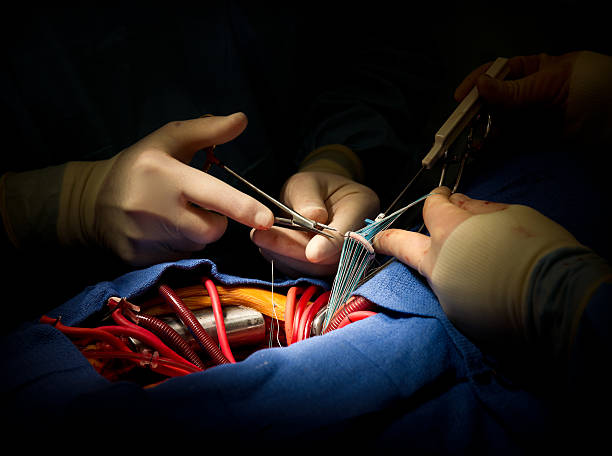
Traditional valve replacement surgery, also known as open-heart surgery, is a more invasive procedure in which the surgeon opens the chest to access the heart and replace the damaged valve. This procedure is typically recommended for patients who are younger, healthier, or who may need more extensive surgical work.
Advantages of Traditional Valve Surgery:
- Durable Valve Options: Patients have the option of receiving a mechanical or bioprosthetic valve, which can last for many years.
- More Suitable for Low-Risk Patients: Healthy, low-risk patients may benefit more from traditional surgery in terms of valve durability.
- Full Access to Heart: Surgeons have complete access to the heart, allowing them to perform any additional repairs if necessary.
Ideal Candidates for Traditional Surgery:
- Younger patients who may need a more durable valve.
- Patients who are at low surgical risk and can tolerate the longer recovery period.
- Individuals who require more complex heart repairs in addition to valve replacement.
Key Differences Between TAVR and Traditional Valve Surgery
Understanding the differences between TAVR and traditional valve surgery can help patients make an informed choice based on their health needs.
| Feature | TAVR (Transcatheter Aortic Valve Replacement) | Traditional Valve Surgery |
|---|---|---|
| Procedure Type | Minimally invasive, catheter-based | Open-heart surgery |
| Incision | Small incision in the groin (femoral artery) | Large chest incision |
| Recovery Time | Short, often within a few days | Longer, usually several weeks |
| Patient Suitability | High-risk or elderly patients | Younger, low-risk patients |
| Valve Longevity | Bioprosthetic valve, may need replacement over time | Durable options like mechanical or bioprosthetic valves |
| Hospital Stay | Typically 1-3 days | 5-7 days or more |
| Risks | Lower risk for high-risk patients | Higher risk for high-risk patients |
| FDA Approval and Popularity | Widely used for high-risk patients | Commonly used, especially for low-risk patients |
Benefits of Choosing TAVR
For patients who are eligible, TAVR offers several unique benefits compared to traditional surgery:
- Reduced Trauma: With no need for a large chest incision, TAVR is significantly less invasive, reducing physical trauma for the patient.
- Quicker Recovery: Most patients can return home within a few days and resume normal activities sooner, making it ideal for those with a busy lifestyle.
- Lower Complications for High-Risk Patients: Since TAVR is less invasive, it has a lower risk of complications, particularly for elderly patients or those with other health conditions.
- Faster Symptom Relief: Patients often experience immediate relief from symptoms, improving their quality of life more quickly.
Risks and Considerations for TAVR and Traditional Surgery
While both procedures are effective, they each come with specific risks and considerations:
TAVR Risks:
- The bioprosthetic valve used in TAVR may not last as long as a mechanical valve, potentially requiring replacement in the future.
- There is a slight risk of complications such as stroke, bleeding, or vascular issues, though these risks are generally lower than in traditional surgery.
- Patients with smaller or irregularly shaped arteries may not be ideal candidates for TAVR.
Traditional Valve Surgery Risks:
- Open-heart surgery is associated with a longer recovery time, increased pain, and a higher risk of complications for high-risk patients.
- This surgery is generally more invasive, requiring a longer hospital stay and potentially more rehabilitation afterward.
- The need for blood transfusions or additional procedures may increase due to the complexity of the operation.
How to Decide: TAVR or Traditional Surgery?
Choosing between TAVR and traditional valve surgery depends on several factors, including age, overall health, the severity of the valve disease, and lifestyle considerations. Consulting with the best TAVR doctor in Chennai can provide a personalized recommendation based on your unique health profile. Here’s a quick guide on how to decide:
- Consult a Specialist: Only a heart specialist can evaluate your suitability for TAVR or traditional surgery. Consulting with a skilled cardiologist or the best heart doctor in Chennai is the first step.
- Consider Recovery Needs: If you prefer a faster recovery and want to avoid open-heart surgery, TAVR might be ideal for you.
- Evaluate Longevity Needs: Younger patients or those who require a valve with longer durability may benefit from the options available in traditional surgery.
- Assess Health Risks: High-risk patients with additional health issues may find TAVR to be a safer alternative to traditional surgery.
Why Choose Sidharam Multispeciality Clinic for TAVR and Heart Care in Chennai?
Sidharam Multispeciality Clinic in Adyar, Chennai, is a premier destination for advanced cardiac care, including TAVR. Led by the best TAVR doctor in Chennai, our team specializes in minimally invasive heart procedures that prioritize patient safety, faster recovery, and improved quality of life. Here’s why patients choose us:
- Experienced Cardiology Team: Our team includes some of the best heart doctors in Chennai, with extensive experience in performing TAVR and other advanced cardiac procedures.
- State-of-the-Art Facilities: Our clinic is equipped with the latest technology to ensure accurate diagnoses and precise procedures.
- Patient-Centered Care: We focus on creating a comfortable and supportive environment, ensuring that each patient receives personalized care tailored to their needs.
- Convenient Location in Adyar: Our clinic in Adyar is easily accessible, making it convenient for patients across Chennai.
Consultation Locations for TAVR and Traditional Surgery in Chennai
Sidharam Multispeciality Clinic
Old #2, New #4, Canal Bank Road, Gandhi Nagar, Adyar, Chennai, Tamil Nadu 600020
Working Hours: Monday – Thursday: 6 PM to 9 PM
Apollo 24/7
Apollo Hospitals, Greams Road, Chennai
Working Hours: Monday – Saturday: 10 AM to 4 PM
If you’re considering TAVR or traditional valve surgery, schedule a consultation with our expert team to discuss your options. Our experienced specialists will assess your condition, explain the pros and cons of each procedure, and recommend the best course of action for your heart health.
To book an appointment or learn more about our services, call us at +91 96001 07057.
Choosing between TAVR and traditional valve surgery is a significant decision that depends on your unique health needs. By consulting with the best TAVR doctor in Chennai and the best heart doctor in Chennai, you can ensure that you receive the highest standard of care and the most suitable treatment for your condition. Take control of your heart health today and explore the advanced options available at Sidharam Multispeciality Clinic.