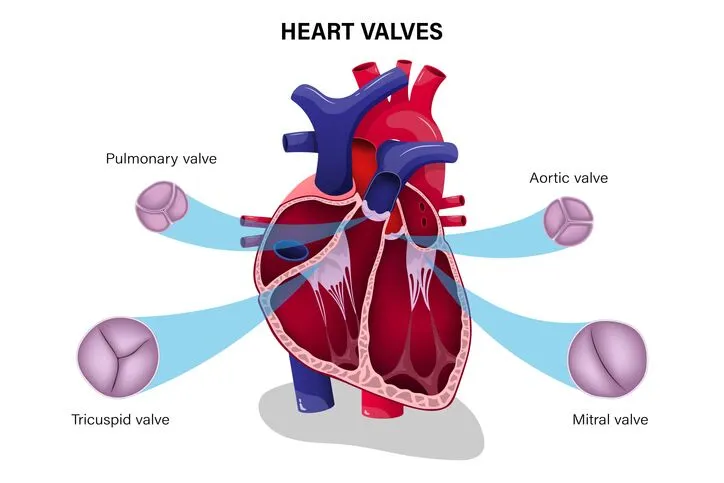
Heart valve disorders can severely impact one’s quality of life, especially when traditional surgery may not be the best option due to age or other health risks. For those in Chennai looking for less invasive alternatives, transcatheter valve replacement options like TAVR (Transcatheter Aortic Valve Replacement) and TAVI (Transcatheter Aortic Valve Implantation) offer groundbreaking solutions. This page will guide you through everything you need to know about transcatheter procedures available in Chennai, including the benefits, types, and how to find the best cardiologist for your needs.
Whether you’re researching for yourself or a loved one, this page covers everything from the basics of TAVR and TAVI to advanced procedures like Transcatheter Mitral Valve Replacement (TMVR), Transcatheter Pulmonary Valve Replacement (TPVR), and Transcatheter Tricuspid Valve Replacement (TTVR). Let’s explore why Chennai is a top destination for these life-enhancing cardiac procedures.
Transcatheter valve replacements are innovative, minimally invasive techniques that allow cardiologists to replace damaged heart valves without the need for open-heart surgery. These procedures are typically performed using a catheter inserted through a small incision, usually in the leg or chest.
Transcatheter valve replacement procedures, including TAVR, TAVI, TMVR, TPVR, and TTVR, offer several advantages over traditional open-heart surgery:
Chennai has become a leading destination for advanced cardiac care, especially for procedures like TAVR, TAVI, and other transcatheter valve replacements. Here’s why Chennai is ideal for such specialized treatments:
TAVR/TAVI is a life-changing option for patients with severe aortic stenosis. This condition causes the aortic valve to narrow, reducing blood flow and increasing the workload on the heart. With TAVR/TAVI, a replacement valve is placed inside the existing aortic valve via a catheter, improving blood flow and relieving symptoms.
TMVR addresses mitral regurgitation, a condition where the mitral valve doesn’t close tightly, causing blood to flow backward into the heart. This can lead to heart failure if left untreated. TMVR provides a minimally invasive solution for restoring proper blood flow and heart function.
TPVR is often performed for patients with congenital heart disease affecting the pulmonary valve. This procedure helps maintain proper blood flow from the heart to the lungs, reducing symptoms like fatigue and shortness of breath.
TTVR is a promising treatment for patients with severe tricuspid regurgitation. This condition can lead to swelling in the legs and abdomen due to blood flow issues on the right side of the heart. TTVR can effectively reduce symptoms and improve heart function.
Choosing the right cardiologist is essential for a successful transcatheter valve replacement. Here are some factors to consider when selecting a cardiologist for TAVR, TAVI, or any other transcatheter procedure:
Before undergoing TAVR, TAVI, or any other transcatheter valve replacement, it’s important to be well-prepared. Here are some steps you can take to ensure a smooth procedure:
Recovery time after TAVR, TAVI, TMVR, TPVR, or TTVR is significantly shorter than traditional heart surgery. Here’s what you can expect post-procedure:
Q1: What is the difference between TAVR and TAVI?
A: TAVR (Transcatheter Aortic Valve Replacement) and TAVI (Transcatheter Aortic Valve Implantation) refer to the same procedure, which is a minimally invasive method of replacing the aortic valve. Both terms are often used interchangeably, with “replacement” focusing on the procedure and “implantation” emphasizing the insertion of the new valve. TAVR/TAVI is an excellent option for patients who are at high risk for open-heart surgery.
Q2: Who is the best cardiologist for TAVR/TAVI in Chennai?
A: Chennai is home to several top cardiologists experienced in TAVR/TAVI procedures. It’s essential to choose a cardiologist with a proven track record in minimally invasive heart procedures, affiliated with a reputable hospital, and highly reviewed by patients. Researching local hospitals and consulting with specialists can help you find the best cardiologist for your specific needs.
Q3: How is a TAVR procedure performed?
A: In a TAVR procedure, a catheter is inserted through a small incision, typically in the groin or chest. This catheter is guided to the heart, where the new valve is implanted within the diseased aortic valve. The entire procedure is done under local or general anesthesia and is significantly less invasive than open-heart surgery.
Q4: How long does it take to recover from TAVR?
A: Recovery from TAVR is much faster than traditional surgery. Most patients can return to normal activities within one to two weeks. However, follow-up appointments are necessary to ensure the new valve is functioning correctly. Each patient’s recovery time may vary based on their overall health and the complexity of their procedure.
Q5: What are the risks associated with TAVR/TAVI?
A: While TAVR is less invasive than open-heart surgery, it still carries some risks, including bleeding, stroke, vascular complications, or valve dysfunction. However, these risks are generally lower than those associated with traditional surgery, especially for high-risk patients.
Q6: Is TAVR/TAVI covered by insurance?
A: Many insurance providers cover TAVR/TAVI for eligible patients with severe aortic stenosis, especially when they are at high risk for open-heart surgery. Coverage depends on individual insurance plans and local regulations. It’s best to consult with your insurance provider and the hospital’s financial team to understand your coverage.
Q7: What is TMVR, and who needs it?
A: TMVR (Transcatheter Mitral Valve Replacement) is a minimally invasive procedure for replacing the mitral valve. It’s often recommended for patients with mitral regurgitation, where the mitral valve doesn’t close tightly. TMVR is an alternative for patients who may not be candidates for open-heart surgery.
Q8: Can TMVR, TPVR, and TTVR be done in Chennai?
A: Yes, Chennai offers advanced transcatheter procedures like TMVR (Transcatheter Mitral Valve Replacement), TPVR (Transcatheter Pulmonary Valve Replacement), and TTVR (Transcatheter Tricuspid Valve Replacement). Experienced cardiologists in Chennai perform these procedures for patients with various heart valve conditions, offering a less invasive option compared to traditional surgery.
Q9: What should I expect during the recovery period after TMVR, TPVR, or TTVR?
A: Recovery time for TMVR, TPVR, and TTVR is relatively short due to the minimally invasive nature of these procedures. Patients typically stay in the hospital for a few days and can resume daily activities within a few weeks. Regular follow-up with the cardiologist is essential to monitor the new valve’s functionality.
Q10: How do I know if I am a candidate for TAVR or TAVI?
A: Candidates for TAVR or TAVI are usually patients with severe aortic stenosis who are considered high-risk for open-heart surgery due to age, other health conditions, or personal preference. Your cardiologist will conduct a thorough evaluation, including imaging tests, to determine if TAVR/TAVI is right for you.
Q11: What are the benefits of choosing TAVR over open-heart surgery?
A: TAVR offers several benefits over open-heart surgery, including a shorter recovery time, reduced risk of complications, less pain, and minimal scarring. This procedure is especially beneficial for elderly patients or those with health issues that make traditional surgery riskier.
Q12: How long does a TAVR/TAVI valve last?
A: A TAVR/TAVI valve can last 10-15 years, similar to surgically replaced valves. However, durability may vary based on individual factors such as age, health, and lifestyle. Regular check-ups are recommended to monitor the performance of the valve over time.
Q13: Are there any lifestyle changes required after TAVR, TMVR, TPVR, or TTVR?
A: After a transcatheter valve replacement, it’s essential to maintain a heart-healthy lifestyle. This includes eating a balanced diet, exercising regularly, and avoiding smoking or excessive alcohol consumption. Your cardiologist may also recommend medications and routine check-ups to monitor your heart health.
Q14: Can I undergo more than one transcatheter procedure if I have multiple valve issues?
A: Yes, some patients may require more than one transcatheter valve replacement if they have issues with multiple valves, such as both the aortic and mitral valves. Your cardiologist in Chennai will assess your overall health and provide recommendations based on your specific needs.
Q15: Is TAVR suitable for younger patients?
A: While TAVR was initially developed for older, high-risk patients, younger patients with severe aortic stenosis who are at risk from open-heart surgery may also be considered. Your cardiologist will evaluate your case to determine if TAVR is appropriate, especially in cases where a faster recovery and minimally invasive approach are preferred.
Q16: How can I find the best cardiologist for TTVR in Chennai?
A: To find the best cardiologist for TTVR (Transcatheter Tricuspid Valve Replacement) in Chennai, research local hospitals with strong cardiac care programs and look for specialists with experience in transcatheter valve replacement procedures. Patient reviews, certifications, and hospital affiliations can help you choose a cardiologist with the expertise you need.
Q17: What is the success rate of TAVR and other transcatheter valve replacement procedures?
A: TAVR and other transcatheter valve replacement procedures have high success rates, especially when performed by experienced cardiologists. Success rates are typically around 90% or higher, with most patients experiencing significant improvements in symptoms and quality of life.
Q18: Are there alternative treatments if I am not a candidate for TAVR/TAVI?
A: If you’re not a candidate for TAVR/TAVI, other treatment options may be available, including surgical valve replacement or medical management. Your cardiologist will discuss alternative treatments based on your health profile and specific condition.
Q19: What follow-up care is required after a TAVR/TAVI procedure?
A: After a TAVR/TAVI procedure, follow-up appointments are crucial. Your cardiologist will schedule regular check-ups to monitor the new valve, assess your recovery, and adjust medications as needed. This helps ensure the long-term success of the procedure.
Q20: Can TAVR/TAVI improve my quality of life?
A: Yes, TAVR/TAVI can significantly improve your quality of life. By replacing a damaged aortic valve, the procedure relieves symptoms like shortness of breath, fatigue, and chest pain, enabling you to engage in daily activities with less discomfort.
Copyrights © 2023 All Rights Reserved
 +91 96001 07057
 Sidharam Heart Clinic Adyar, Gandhi Nagar, Canal Bank Road, Opp.St.Louis School, Adyar, Chennai, Tamil Nadu 600020