 +91 96001 07057
 Sidharam Heart Clinic Adyar, Gandhi Nagar, Canal Bank Road, Opp.St.Louis School, Adyar, Chennai, Tamil Nadu 600020


 12 October, 2026
Weak Heart and Blocked Arteries: Is Angioplasty Safe When Your Heart’s Pumping Is Low?
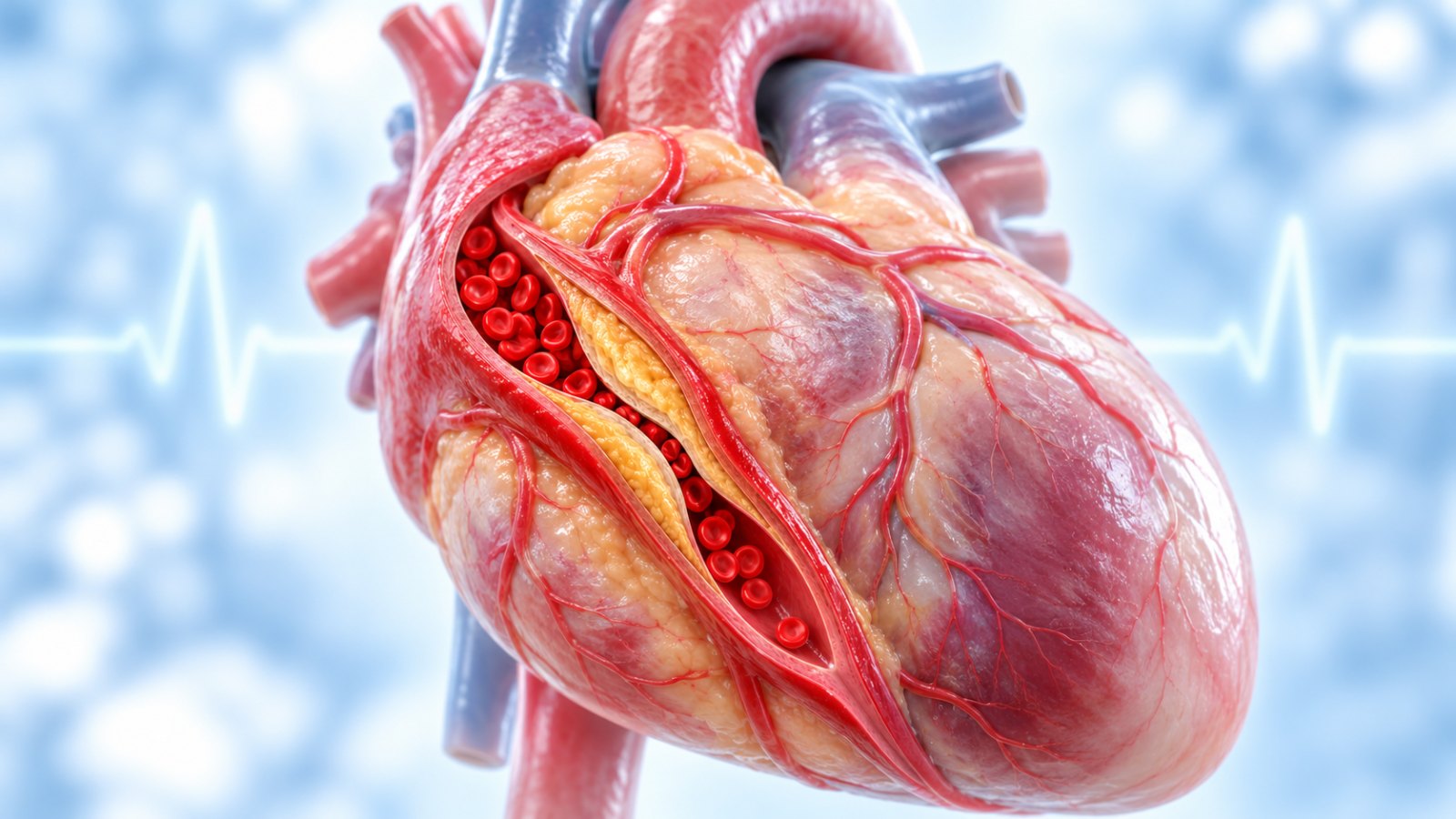
“Your heart is pumping at only 30%.” For many families, that sentence on an echo report sounds like a verdict. Add blocked arteries to it, and they often hear a second one: “It is too risky to do anything.” The reality is more hopeful — and more nuanced — than either sentence suggests.
A 68-year-old homemaker with diabetes has been getting breathless while climbing the stairs to her terrace garden. Her legs swell by evening. An echocardiogram shows an ejection fraction of 30%, and an angiogram shows blockages in two arteries. Her son asks: “If her heart is already weak, won’t angioplasty make it worse?”
It is the right question. The honest answer is: angioplasty in a weak heart is possible and can be done safely in carefully selected patients — but it must be done for the right reasons, with the right preparation.
Key takeaways
- A low ejection fraction (EF) means the heart pumps less blood with each beat. Blocked arteries are one of the most common causes, called ischaemic cardiomyopathy.
- Medicines are the foundation. Modern heart-failure medicines improve survival in nearly everyone with a weak heart, with or without a procedure.
- Angioplasty in a weak heart is chosen mainly to relieve chest pain and breathlessness, treat a heart attack, or open arteries when bypass surgery is not possible.
- Protected PCI uses a temporary heart pump such as Impella to support circulation while high-risk blockages are treated.
What does “ejection fraction” mean?
Each time your heart beats, the main pumping chamber (the left ventricle) pushes out a portion of the blood inside it. The ejection fraction is that portion, expressed as a percentage. It is measured with an echocardiogram (echo), cardiac MRI or a nuclear scan.
| Ejection fraction | What it usually means |
|---|---|
| 50% and above | Normal pumping (most healthy hearts are 55–70%) |
| 41–49% | Mildly reduced |
| 40% or less | Reduced — often called “heart failure with reduced ejection fraction” |
| 35% or less | Severely reduced — higher risk; specialised treatment decisions are needed |
An EF of 30% does not mean “only 30% of your heart is working”. It means the heart is ejecting 30% of its blood volume per beat instead of the usual 55–70%. Many people with an EF of 30% live active lives with the right treatment.
Myth vs fact: weak heart and angioplasty
How blocked arteries weaken the heart muscle
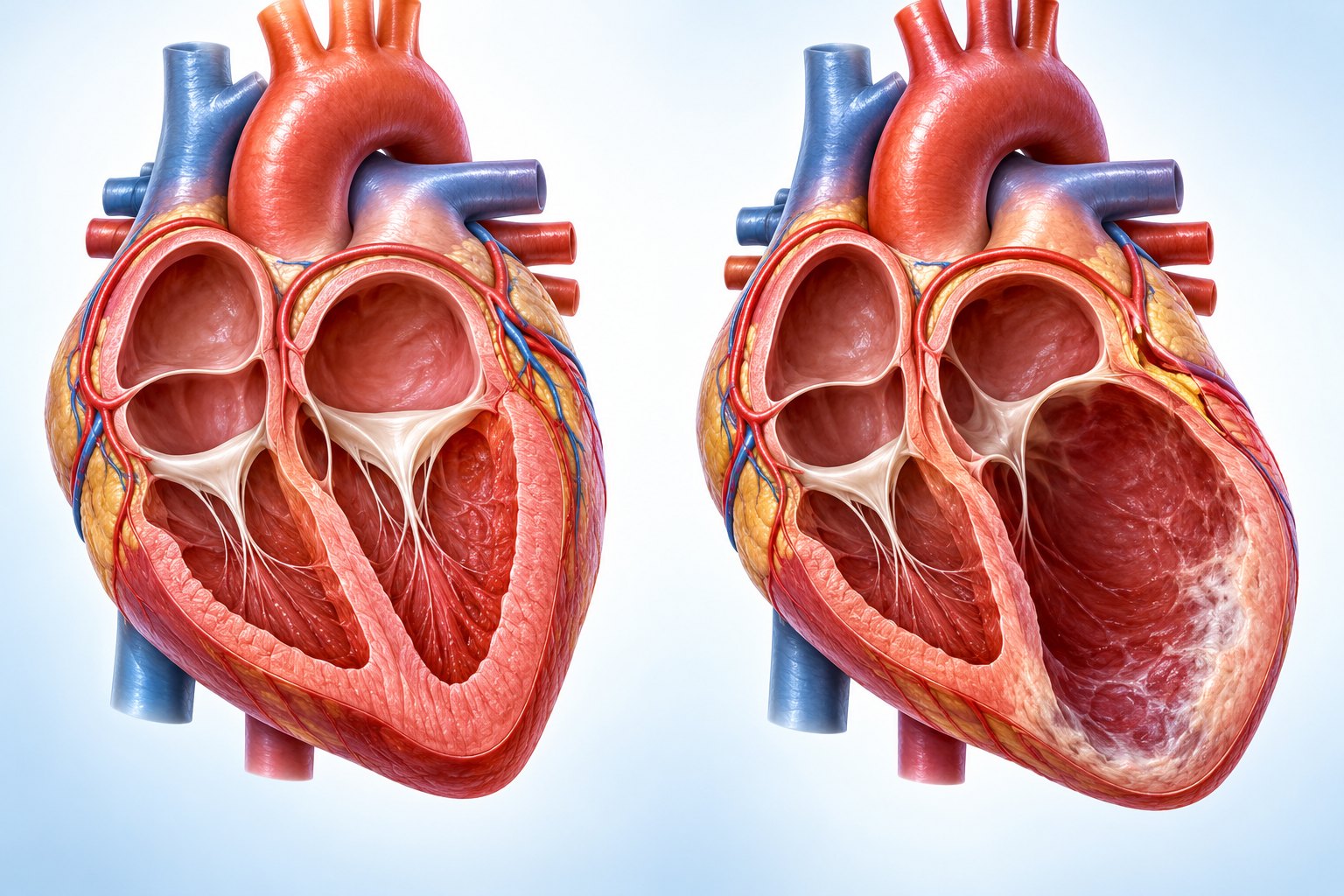
Heart muscle needs a constant supply of oxygen-rich blood through the coronary arteries. When those arteries are blocked, the muscle can be affected in two ways:
Scarred muscle
After a heart attack, part of the muscle may die and turn into scar tissue. Scar does not recover, even if the artery is opened later.
“Hibernating” muscle
Muscle that is alive but starved of blood may reduce its work to survive. This muscle may partly recover once blood flow improves and medicines are optimised.
Tests such as cardiac MRI, a PET scan or a dobutamine stress echo can help estimate how much of your heart muscle is alive and how much is scar. This is called a viability assessment, and it helps set realistic expectations.
Will opening the arteries make my weak heart stronger?
This is where honest advice matters most, because it is a common misconception.
For years, many doctors assumed that opening blocked arteries would automatically improve a weak heart. Two important studies tested this:
- STICH (bypass surgery): In patients with a weak heart (EF 35% or less) and blocked arteries, bypass surgery added to medicines improved long-term survival over about ten years compared with medicines alone.
- REVIVED-BCIS2 (angioplasty, 2022): In 700 patients with stable disease and a mean EF of 27%, angioplasty added to excellent medical therapy did not reduce deaths or heart-failure hospitalisations over about three and a half years, and EF did not improve more than with medicines alone. Repeat urgent procedures, however, were lower with angioplasty.
What this means for you: In a weak heart with stable symptoms, angioplasty is not a guaranteed way to “strengthen” the heart. Its proven roles are to relieve angina (chest pain) and breathlessness caused by poor blood flow, treat heart attacks and unstable symptoms, and revascularise patients who need it but cannot safely have bypass surgery. A good cardiologist will tell you which of these applies to you — and if none does, will say so.
Medicines: the treatment everyone with a weak heart needs
Today’s guideline-directed medicines for heart failure with reduced EF are one of the great success stories of cardiology. They usually include four groups:
- ARNI (sacubitril-valsartan), ACE inhibitor or ARB — reduce strain on the heart.
- Beta-blockers (such as metoprolol succinate, bisoprolol, carvedilol) — protect the heart from stress hormones.
- MRAs (spironolactone or eplerenone) — reduce scarring and fluid.
- SGLT2 inhibitors (dapagliflozin or empagliflozin) — benefit the heart and kidneys, with or without diabetes.
Some patients also benefit from devices such as an ICD (to prevent sudden cardiac death) or CRT (a special pacemaker that coordinates the heart’s pumping). Never start or stop these medicines on your own — doses are increased gradually under supervision.
Why angioplasty is riskier when the heart is weak
During angioplasty, a balloon is briefly inflated inside the blocked artery. In a normal heart, the rest of the muscle easily compensates for those few seconds. In a heart that is already pumping weakly — especially when the artery being treated supplies a large area, or is the “last remaining” open artery — even a brief interruption can cause:
- A sudden drop in blood pressure
- Dangerous heart rhythm disturbances
- Fluid build-up in the lungs
This is why such cases fall under complex high-risk angioplasty (CHIP PCI) and need a team experienced in planning for — and preventing — these situations.
Protected PCI: support from a temporary heart pump
In carefully selected high-risk patients, the heart can be supported during the procedure with a mechanical device:
- Impella — a tiny pump, thinner than a pencil, placed through an artery in the groin into the heart. It pulls blood from the left ventricle and pushes it into the aorta, keeping circulation steady while the arteries are treated. It is usually removed at the end of the procedure.
- Intra-aortic balloon pump (IABP) — a balloon in the aorta that inflates and deflates with each heartbeat to reduce the heart’s workload.
- ECMO — a heart-lung support machine reserved for the very highest-risk or emergency situations.
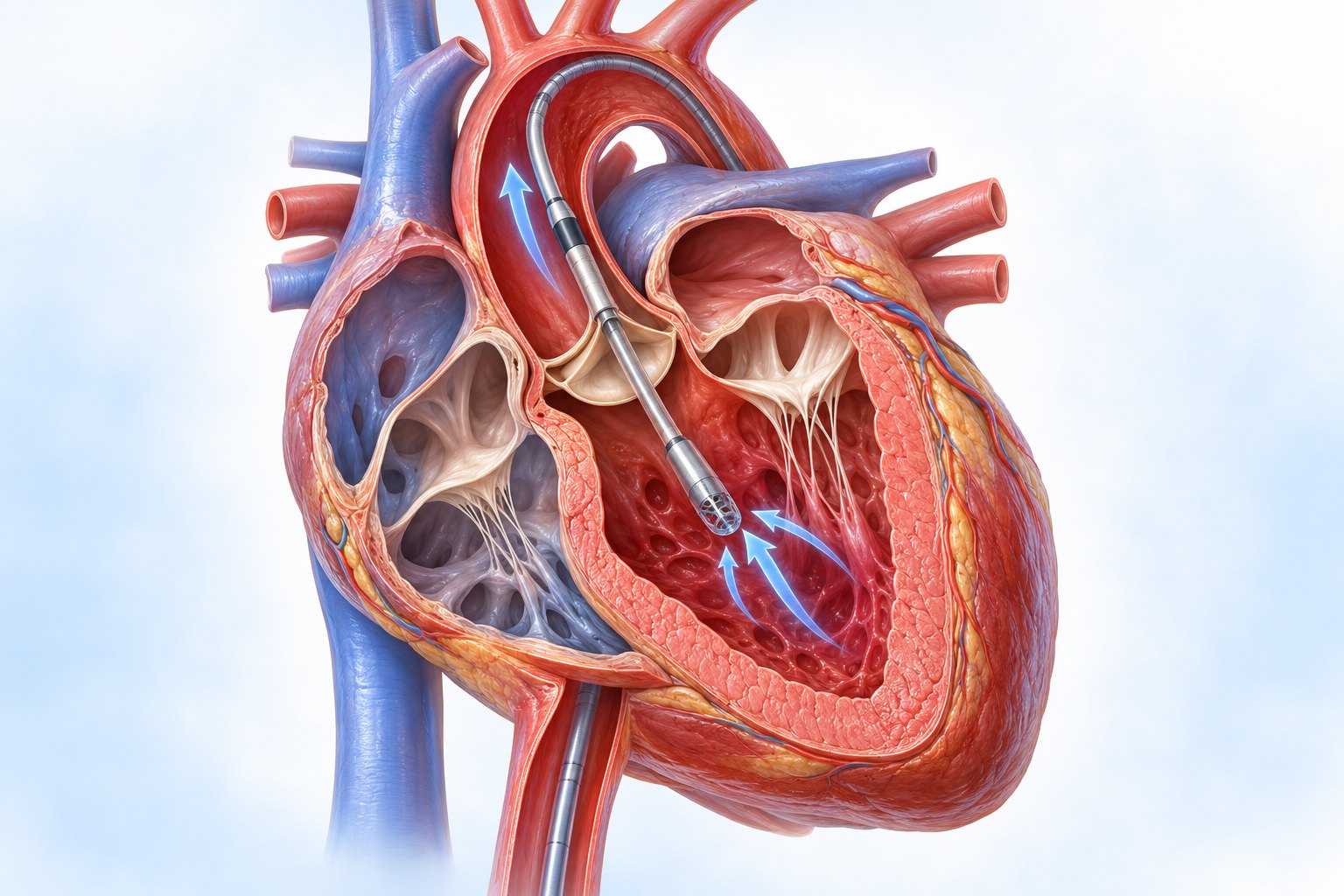
Mechanical support is not needed for every patient with a low EF, and it carries its own risks, such as bleeding or problems at the leg artery. Research, including the ongoing international PROTECT IV trial, is still defining exactly which patients benefit most. The decision is individual, made after reviewing the angiogram, heart function, blood pressure and leg arteries.
Learn more in our article on advanced angioplasty when heart surgery is too risky.
Who may benefit from angioplasty despite a weak heart?
Often a good candidate
- Chest pain or breathlessness not controlled by medicines
- A recent heart attack or unstable angina
- Large areas of viable (living) heart muscle
- Not suitable for bypass surgery
Needs careful discussion
- Stable, symptom-free patients
- Mostly scarred heart muscle
- Severe kidney disease
- Very limited life expectancy from other illnesses
What to expect if protected angioplasty is planned
- Evaluation: echo, angiogram review, kidney tests and often a viability test or CT of the leg arteries.
- Heart Team decision: cardiologist and, when relevant, a cardiac surgeon agree on the safest strategy.
- The procedure: usually under local anaesthesia with sedation; imaging (IVUS/OCT) is used to optimise stents.
- Recovery: a day or two of monitoring in the cardiac care unit, followed by a short hospital stay.
- Follow-up: medicines are optimised, and a repeat echo is typically done after about three months.
Seek urgent care if you have: breathlessness at rest or when lying flat, sudden weight gain of 2 kg in 2–3 days, swelling of the legs or abdomen, fainting, or chest pain lasting more than a few minutes. Call 108 or go to the nearest emergency department.
Frequently asked questions
Is angioplasty safe if my ejection fraction is 25–30%?
It can be done safely in carefully selected patients by an experienced team, sometimes with heart pump support. The risk is higher than in a normal heart, so the reason for the procedure must be clear and the planning thorough.
Will my EF improve after angioplasty?
Sometimes, particularly when large areas of “hibernating” muscle receive better blood supply. However, research shows angioplasty does not reliably improve EF in stable patients, so medicines remain essential. Your EF is usually rechecked after about three months.
Is bypass surgery better than angioplasty for a weak heart?
For patients with a weak heart and multivessel disease who are fit for surgery, bypass has stronger long-term survival evidence. Angioplasty is often preferred when surgical risk is high or a surgeon has declined.
What is an Impella and is it permanent?
Impella is a temporary micro-pump placed through a leg artery to support the heart during a high-risk procedure. In planned angioplasty it is usually removed at the end of the procedure or within hours.
Can a weak heart become normal again?
In some patients, yes — especially with consistent heart-failure medicines, treatment of blocked arteries where appropriate, blood pressure and diabetes control, and quitting smoking and alcohol. Even when EF does not return to normal, symptoms and quality of life often improve considerably.
Weak heart and blocked arteries? Let’s find the safest way forward.
Dr. Dhamodaran K specialises in high-risk and protected angioplasty. Bring your echo and angiogram reports for a detailed review of every option, including when a procedure is not the best choice.
Sidharam Heart Clinic, Canal Bank Road, Gandhi Nagar, Adyar (Mon–Thu, 6–9 PM) · Apollo Hospitals, Greams Road, Chennai (Mon–Sat, 10 AM–4 PM)- Perera D et al. Percutaneous Revascularization for Ischemic Left Ventricular Dysfunction (REVIVED-BCIS2). N Engl J Med 2022.
- Velazquez EJ et al. Coronary-Artery Bypass Surgery in Patients with Ischemic Cardiomyopathy (STICHES). N Engl J Med 2016.
- McDonagh TA et al. 2021 ESC Guidelines for the diagnosis and treatment of acute and chronic heart failure (and 2023 focused update). Eur Heart J.
- Heidenreich PA et al. 2022 AHA/ACC/HFSA Guideline for the Management of Heart Failure. Circulation 2022.
- PROTECT IV trial (NCT04763200): Impella-supported PCI in high-risk patients with complex coronary disease and reduced LV function.