 +91 96001 07057
 Sidharam Heart Clinic Adyar, Gandhi Nagar, Canal Bank Road, Opp.St.Louis School, Adyar, Chennai, Tamil Nadu 600020

 4 April, 2026
7 Powerful Lifestyle Changes That Can Dramatically Reduce Your Heart Risk
Heart disease does not usually begin with a sudden emergency. In many cases, it starts quietly — through daily habits that slowly damage the heart over time. Long hours of sitting, chronic stress, poor food choices, smoking, lack of sleep, and missed preventive checkups may not seem dangerous in the beginning, but together they can significantly increase the risk of heart disease.
As an interventional cardiologist, I often see patients after symptoms appear. But what many people do not realize is that the journey toward heart disease often begins years earlier through lifestyle. The good news is that lifestyle can also become your strongest protection. Small, consistent changes in the way you live can dramatically reduce your heart risk and improve your long-term health.
If you want to protect your heart, here are seven powerful lifestyle changes that truly matter.
1. Manage Stress Before It Manages You
Modern life has made stress feel normal, but the heart does not treat chronic stress as harmless. Ongoing emotional pressure affects the body in many ways. It can raise blood pressure, worsen sleep, trigger unhealthy eating, increase inflammation, and disturb overall cardiovascular balance.
Many people carry work-related stress, financial concerns, family burdens, and personal pressure every day without realizing how deeply it affects their heart health. Stress may not always cause immediate symptoms, but over time it can quietly increase cardiac risk.
Managing stress does not mean removing all problems from life. It means developing better ways to respond to them.
Simple habits that help include:
- Taking short breaks during busy work hours
- Practicing deep breathing or meditation
- Avoiding heated thoughts before bedtime
- Talking to someone instead of suppressing emotions
- Making time for moments of calm during the day
Your mind and heart are more connected than most people think. When stress becomes constant, the heart suffers too.

2. Move Daily — Your Heart Needs Activity
One of the most dangerous habits today is inactivity. Many people spend most of the day sitting — at a desk, in a vehicle, or at home. Even if there are no obvious symptoms, a sedentary routine can slowly weaken heart health.
Regular movement improves blood circulation, helps control blood pressure, supports healthy weight, improves sugar control, and keeps the heart stronger. The important thing is not intensity alone — it is consistency.
You do not need to join a gym or follow an extreme fitness plan to help your heart. In fact, simple everyday movement can make a big difference.
Helpful ways to stay active:
- Walk at least 30 minutes a day
- Use stairs instead of lifts when possible
- Stretch during long work hours
- Avoid sitting continuously for more than one hour
- Choose activities that keep you moving regularly
A daily walk may seem simple, but it is one of the most powerful heart-protective habits a person can build.

3. Rethink Your Plate — Food Is Either Fuel or Risk
What you eat every day slowly shapes your arteries. Many people assume that homemade food is automatically healthy, but even home-cooked meals can become harmful when they contain too much oil, sugar, salt, refined carbohydrates, or oversized portions.
The heart responds to patterns, not occasional effort. A healthy meal once in a while does not undo a routine of poor choices. Similarly, food that feels comforting in the moment may slowly increase cholesterol, weight, sugar levels, and cardiac risk.
Heart-smart eating does not require starvation or complicated dieting. It requires better balance and consistency.
Heart-friendly food habits include:
- Eating more vegetables and fruits
- Increasing fiber intake
- Reducing processed and packaged foods
- Cutting down on fried foods and sugary items
- Controlling portions
- Limiting refined carbohydrates
Food should nourish the body, not slowly overload it. Your diet today plays a major role in deciding your heart health tomorrow.

4. Sleep Is Not a Luxury — It Is a Necessity
Sleep is one of the most ignored pillars of heart health. Many people sacrifice sleep for work, entertainment, late-night screen time, or social habits without understanding the long-term harm. Poor sleep affects blood pressure, stress hormones, metabolism, diabetes risk, obesity, and overall cardiovascular stability.
When the body does not get enough quality rest, it loses its natural recovery time. The heart, blood vessels, and nervous system all benefit from proper sleep.
Healthy sleep habits include:
- Aiming for 6 to 8 hours of quality sleep
- Keeping a regular sleep schedule
- Avoiding screens before bedtime
- Reducing caffeine late in the day
- Creating a calm sleep environment
Persistent sleep issues should not be ignored. Snoring, daytime fatigue, frequent waking, or restless sleep may indicate other health concerns that need evaluation.
Sleep is not wasted time. It is one of the most important investments you can make in your heart.

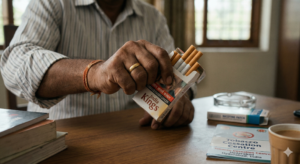
5. Quit Smoking — There Is No Safe Limit
Smoking remains one of the most serious preventable risks for heart disease. It damages blood vessels, reduces oxygen supply, increases clotting, and accelerates artery narrowing. Even occasional smoking is harmful. Many people think “just one sometimes” is safe, but the heart does not see it that way.
Vaping is also not a harmless substitute. It may be different from cigarettes, but it is not free from cardiovascular risk.
Important things to remember:
- Every cigarette affects your arteries
- Quitting begins to reduce heart risk quickly
- It is never too late to stop
- Support and counseling can help if quitting is difficult
Some people wait for a health scare before quitting. But the better decision is to stop before damage becomes severe. When it comes to smoking, there is no healthy compromise.
6. Don’t Skip Preventive Checkups
Many heart problems develop silently. High blood pressure, abnormal cholesterol, diabetes, and early heart disease can progress without obvious symptoms. By the time symptoms become noticeable, the condition may already be advanced.
That is why preventive checkups are so important.
People who should be especially careful include:
- Those with diabetes or hypertension
- People with a family history of heart disease
- Individuals above 30 with a sedentary lifestyle
- High-stress professionals
- Smokers
- People with obesity or poor dietary habits
A simple evaluation at the right time can prevent major emergencies later. Regular heart checkups are not only for people with symptoms. They are for people who want to stay ahead of risk.
Waiting for the body to “force” you to seek help is never a wise plan.

7. Small Changes Done Consistently Can Save Your Life
Many people delay improving their lifestyle because they think the change has to be big to matter. But heart health is not built through one dramatic decision. It is built through repeated small decisions made every day.
Choosing a walk instead of inactivity. Choosing proper sleep instead of late-night exhaustion. Choosing checkups instead of delay. Choosing healthy meals more often than unhealthy ones. Choosing to quit smoking. Choosing to take stress seriously.
These changes may seem small individually, but together they create a strong protective effect over time.
Heart disease is often built gradually — and prevention works the same way. Small steps done consistently can reduce risk, improve energy, and protect your future.
You do not need a warning sign to start caring for your heart. Start before the problem starts.
Suggested image: A lifestyle collage showing walking shoes, healthy food, water bottle, sleep routine, and medical checkup.
Final Thoughts
Heart disease is not always sudden. In many people, it develops quietly through years of ignored stress, poor habits, inactivity, lack of sleep, smoking, and delayed medical attention. The tragedy is that many of these risks are modifiable.
The encouraging part is this: protecting your heart does not always begin in a hospital. It begins in your routine.
The way you eat, move, sleep, manage stress, and respond to your health today can decide what your heart looks like tomorrow. Prevention is not a one-time event. It is a daily decision.
When it comes to heart health, small changes made early are always easier than major treatment later.
Suggested image: A smiling doctor with a patient after consultation, showing reassurance and preventive care.
Frequently Asked Questions (FAQs)
1. Who is the best cardiologist in Chennai?
The best cardiologist in Chennai is one with strong experience, sound clinical judgment, advanced procedural expertise, and a patient-first approach to heart care.
2. Can lifestyle changes really prevent heart disease?
Yes. Lifestyle changes such as regular exercise, healthy eating, stress control, quitting smoking, proper sleep, and preventive checkups can significantly reduce heart risk.
3. How much exercise is good for heart health?
A minimum of 30 minutes of moderate activity such as brisk walking on most days of the week is a good start for most adults.
4. Is stress really bad for the heart?
Yes. Chronic stress can increase blood pressure, inflammation, poor sleep, and unhealthy habits, all of which may increase heart risk.
5. Can home food still be unhealthy?
Yes. Even home-cooked food can increase heart risk if it contains excess oil, sugar, salt, refined carbs, or large portions.
6. How important is sleep for the heart?
Sleep is very important. Poor sleep can contribute to high blood pressure, obesity, diabetes, and long-term heart problems.
7. Is occasional smoking also harmful?
Yes. There is no safe limit. Even occasional smoking can damage blood vessels and increase the risk of heart disease.
8. When should I go for a heart checkup?
After the age of 30, regular heart checkups are advisable, especially if you have stress, diabetes, high BP, obesity, smoking history, or family history of heart disease.
9. Can I have heart disease even if I feel fine?
Yes. Many heart-related conditions develop silently without obvious symptoms in the early stages.
10. What is the most important lifestyle change for heart health?
There is no single change that works alone. The best protection comes from combining healthy eating, regular movement, proper sleep, stress management, no smoking, and timely checkups.
About the Doctor
Dr. Dhamodaran K
Interventional Cardiologist
Chennai
Consultation Locations
Sidharam Multispeciality Clinic
Old #2, New #4, Canal Bank Road, Gandhi Nagar,
Adyar, Chennai, Tamil Nadu 600020
Working Hours: MON – THU | 06 PM – 09 PM
Apollo 24×7
Apollo Hospitals Greams Road
Chennai
Working Hours: MON – SAT | 10 AM – 4 PM